

Blog
Mixed Nuts Benefits: Vancouver’s Guide to Healthy Snackin

The Ultimate Guide to Nuts and Dried Fruits Health Benefits: Science-Backed Evidence for 2025
Published by Cafe Nuts Vancouver - Your trusted source for premium nuts and dried fruits
Table of Contents
ToggleWhen you walk into any modern grocery store or health food shop in Vancouver, the nuts and dried fruits section has exploded with variety. But beyond the appealing displays and aromatic fragrances lies a treasure trove of nutritional powerhouses that have been sustaining human health for millennia. Recent scientific research has unveiled remarkable nuts health benefits and dried fruits benefits that extend far beyond simple snacking.
The Nutritional Foundation: What Makes Nuts and Dried Fruits Special?
The health benefits of nuts and dried fruits stem from their exceptional nutritional density. Unlike processed snacks that provide empty calories, these natural foods deliver concentrated nutrition that supports multiple body systems simultaneously. Dr. Sarah Chen, a leading nutritionist at Vancouver General Hospital, notes that “the unique combination of healthy fats, protein, fiber, and micronutrients in nuts creates a synergistic effect that promotes optimal health outcomes.”
Tree nuts like almonds, walnuts, and pistachios contain heart-healthy monounsaturated and polyunsaturated fats, including the crucial omega-3 fatty acids. These healthy nuts snacks provide sustained energy without the blood sugar spikes associated with refined carbohydrates. Meanwhile, dried fruits concentrate the vitamins, minerals, and antioxidants found in fresh fruits, making them incredibly nutrient-dense options for busy lifestyles.

Cardiovascular Health: The Heart of the Matter
Perhaps the most extensively studied area of nuts health benefits involves cardiovascular protection. The landmark Harvard Nurses’ Health Study, which followed over 120,000 participants for 30 years, revealed that individuals consuming nuts five or more times per weekly reduced their risk of coronary heart disease by 35% compared to those who rarely consumed nuts.
The mechanisms behind these protective effects are multifaceted. Walnuts, particularly rich in alpha-linolenic acid (ALA), help reduce inflammation throughout the cardiovascular system. A recent study published in the Journal of Nutrition demonstrated that consuming just one ounce of walnuts daily for eight weeks significantly improved blood vessel function and reduced arterial stiffness.
Almonds contribute to heart health through their impressive vitamin E content and favorable impact on cholesterol profiles. Research from Penn State University showed that incorporating almonds into a heart-healthy diet reduced LDL (bad) cholesterol by an additional 7% beyond what the base diet achieved alone. These best nuts for health work by increasing the size of LDL particles, making them less likely to contribute to arterial plaque formation.
Dried fruits benefits extend to cardiovascular health as well, particularly through their potassium content and antioxidant compounds. Dried apricots and raisins provide substantial amounts of potassium, which helps regulate blood pressure by counteracting sodium’s effects. The polyphenols in dried cranberries and cherries have been shown to improve endothelial function, the crucial ability of blood vessels to dilate and contract properly.
Brain Health and Cognitive Function
Emerging research reveals fascinating connections between nut consumption and brain health. The Mediterranean-DASH Intervention for Neurodegenerative Delay (MIND) diet study identified nuts as one of the top ten brain-healthy food groups, associating regular consumption with slower cognitive decline and reduced Alzheimer’s disease risk.
Walnuts deserve special mention for brain health nuts applications. Their distinctive brain-like appearance isn’t just coincidental – they contain the highest concentration of DHA (docosahexaenoic acid) among tree nuts. DHA is crucial for brain cell membrane health and cognitive function. A UCLA study found that adults consuming walnuts showed improved performance on cognitive tests measuring memory, concentration, and information processing speed.
The vitamin E in almonds and hazelnuts acts as a powerful antioxidant protecting brain cells from oxidative damage. This protection becomes increasingly important as we age, when the brain becomes more susceptible to free radical damage. Pistachios contribute unique compounds called lutein and zeaxanthin, which cross the blood-brain barrier and accumulate in brain tissue, where they provide additional antioxidant protection.
Weight Management: Dispelling the Calorie Myth
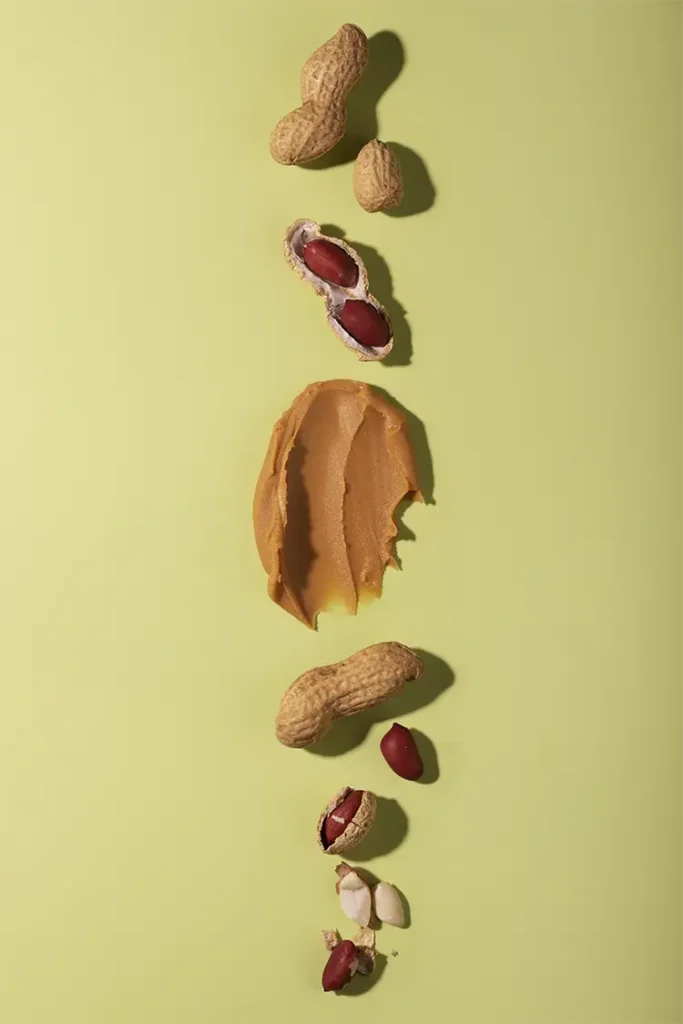
Despite their caloric density, nuts and dried fruits can be valuable allies in weight management when consumed mindfully. This paradox has puzzled researchers for years, but recent studies illuminate the mechanisms behind this phenomenon.
The combination of protein, healthy fats, and fiber in nuts creates exceptional satiety – the feeling of fullness that prevents overeating. A study in the European Journal of Clinical Nutrition found that people who added almonds to their diets naturally compensated by eating fewer calories from other sources, resulting in no net weight gain despite the additional calories from nuts.
The term “caloric availability” explains much of this effect. Not all calories in nuts are absorbed by the body. The tough cell walls of nuts resist complete digestion, meaning some calories pass through the digestive system unused. Research suggests that as much as 10-15% of calories in almonds may not be absorbed, effectively reducing their caloric impact.
For those focused on weight loss nuts strategies, portion control remains essential. A standard one-ounce serving (about 23 almonds or 14 walnut halves) provides substantial nutrition and satisfaction without excessive calories. Pre-portioning nuts into small containers or bags helps prevent mindless overconsumption while ensuring you receive their health benefits.
Diabetes Management and Blood Sugar Control
Type 2 diabetes affects millions of Canadians, making blood sugar management a critical health concern. Fortunately, nuts and dried fruits can play supportive roles in diabetes management when incorporated thoughtfully into meal plans.
The low glycemic index of most nuts means they cause minimal blood sugar spikes. Their combination of protein, fiber, and healthy fats actually helps stabilize blood glucose levels when consumed with higher-carbohydrate foods. A study in the journal Diabetes Care demonstrated that adding two ounces of nuts to a high-carbohydrate meal significantly reduced post-meal blood sugar spikes in both diabetic and non-diabetic participants.
Almonds show particularly promising results for diabetes management. Research published in Metabolism journal found that consuming almonds with white bread reduced the glycemic index of the entire meal by 30%. This effect, known as the “second meal phenomenon,” can influence blood sugar responses for hours after eating.
When selecting dried fruits benefits for diabetes management, choose unsweetened varieties and practice portion control. While dried fruits contain natural sugars, they also provide fiber, potassium, and antioxidants that support overall health. Pairing small amounts of dried fruits with nuts creates a balanced snack that minimizes blood sugar impact while maximizing nutritional value.
Cancer Prevention: Antioxidant Powerhouses
The antioxidant compounds in nuts and dried fruits contribute to cancer prevention through multiple mechanisms. These natural compounds neutralize free radicals – unstable molecules that can damage DNA and potentially trigger cancerous changes in cells.
Walnuts contain ellagic acid and other polyphenols that have demonstrated anti-cancer properties in laboratory studies. Research at the University of California, Davis found that walnut consumption increased beneficial gut bacteria associated with reduced colorectal cancer risk. The anti-inflammatory effects of walnut compounds may also help create an environment less conducive to tumor development.
Brazil nuts provide selenium, a trace mineral with potent antioxidant properties. Just two Brazil nuts daily supply the recommended daily allowance of selenium. Studies suggest adequate selenium intake is associated with reduced risk of several cancer types, including prostate, lung, and colorectal cancers.
Dried fruits contribute cancer-fighting compounds as well. Dried cranberries contain proanthocyanidins, which have shown anti-cancer effects in bladder and colon cancer cell studies. Dried apricots provide beta-carotene and lycopene, carotenoids associated with reduced risk of lung and prostate cancers respectively.
Digestive Health and Gut Microbiome Support
The fiber content in nuts and dried fruits supports digestive health and feeds beneficial gut bacteria. This prebiotic effect promotes a healthy microbiome, which increasingly appears crucial for overall health, immune function, and even mental wellbeing.
Almonds and pistachios are particularly rich in prebiotic fibers that promote the growth of beneficial bacteria like Bifidobacterium and Lactobacillus. A study in Applied and Environmental Microbiology found that consuming almonds for six weeks increased beneficial gut bacteria populations and improved markers of immune function.
The diverse fiber types in different nuts create varied benefits for digestive health. Walnuts provide both soluble and insoluble fiber, supporting regular bowel movements and feeding different bacterial species. Hazelnuts contain resistant starch that reaches the colon intact, where it ferments and produces beneficial short-chain fatty acids.
Dried fruits contribute additional prebiotic compounds. Dried figs contain pectin, a soluble fiber that forms a gel-like substance in the digestive tract, slowing nutrient absorption and promoting satiety. This same pectin feeds beneficial gut bacteria and supports healthy cholesterol levels.
Bone Health and Mineral Density
Often overlooked in discussions of nuts health benefits is their contribution to bone health. Several nuts provide minerals essential for maintaining strong bones throughout life, making them particularly valuable as we age and bone density naturally declines.
Almonds are exceptional sources of calcium, magnesium, and phosphorus – three minerals crucial for bone formation and maintenance. One ounce of almonds provides about 8% of daily calcium needs, comparable to a quarter cup of milk. The magnesium in almonds helps the body absorb and utilize calcium effectively, while phosphorus works with calcium to form the mineral matrix of bones.
Walnuts contribute to bone health through their omega-3 fatty acid content. Research suggests that omega-3 fatty acids help reduce bone breakdown and support bone formation processes. A study in the Journal of Nutritional Biochemistry found that walnut consumption helped maintain bone mineral density in older adults compared to those following omega-3 poor diets.
Dried figs deserve special recognition for bone health support. They provide more calcium per serving than most other dried fruits, along with magnesium, potassium, and vitamin K – all essential for optimal bone health. The boron in dried figs may also support bone health by helping the body use calcium and magnesium more effectively.
Skin Health and Anti-Aging Benefits
The nutrients in nuts and dried fruits support healthy skin from the inside out. Vitamin E, selenium, zinc, and various antioxidant compounds work together to protect skin cells from damage and support the production of collagen and elastin.
Almonds are particularly rich in vitamin E, providing about 37% of daily needs per ounce. This powerful antioxidant protects skin cell membranes from oxidative damage caused by UV radiation and environmental pollutants. Studies suggest adequate vitamin E intake may help slow visible signs of aging and support skin barrier function.
Walnuts contribute both vitamin E and omega-3 fatty acids for skin health. The anti-inflammatory effects of omega-3s may help reduce skin conditions like eczema and dermatitis. Some research suggests that omega-3 fatty acids may also provide modest protection against sun damage, though they should never replace proper sun protection measures.
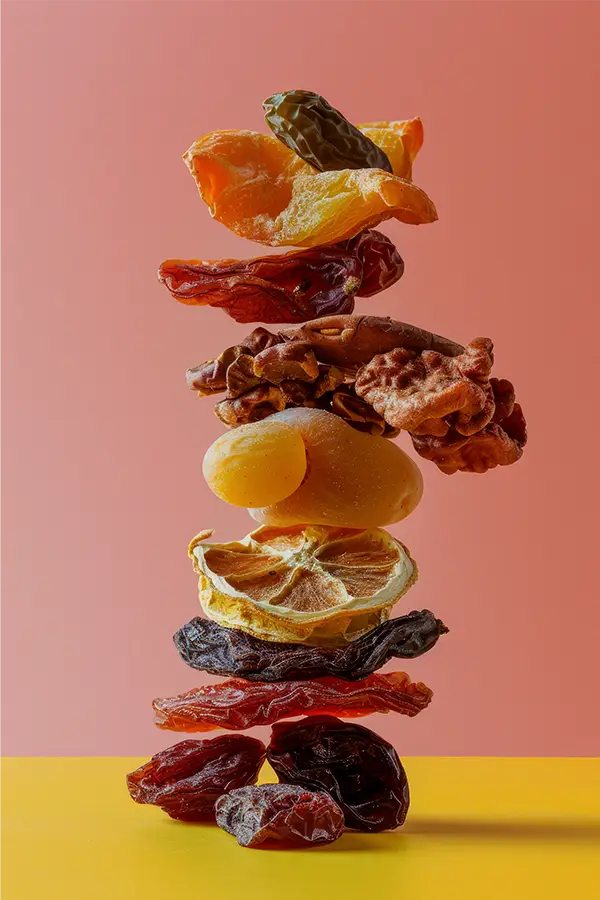
Dried fruits provide additional skin-supporting nutrients. Dried apricots contain beta-carotene, which the body converts to vitamin A – essential for skin cell renewal and repair. The lycopene in dried tomatoes (yes, technically a fruit!) provides additional antioxidant protection for skin cells.
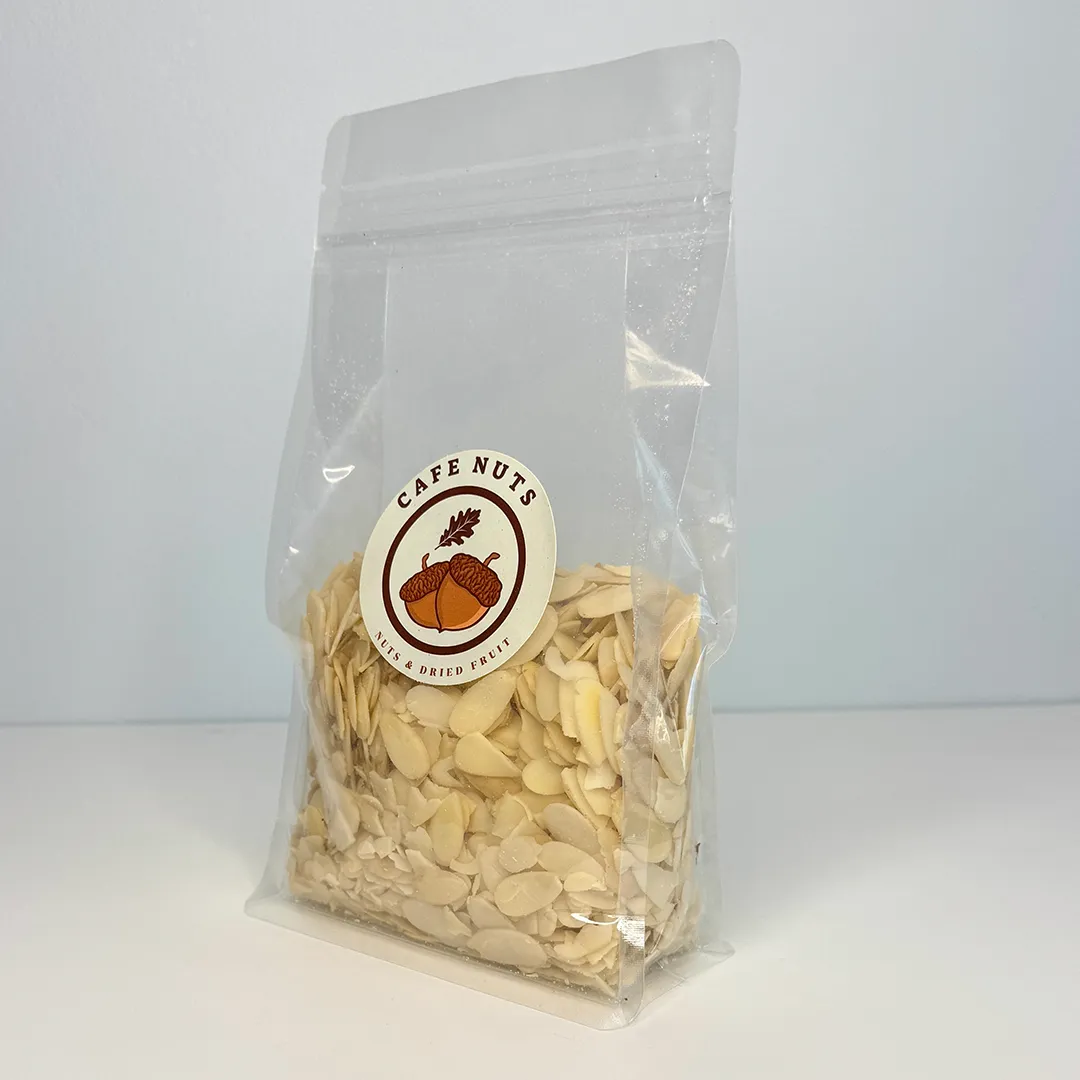
If you’re looking to get the highest quality nuts and dried fruits, we invite you to visit our store. Cafe Nuts has carefully curated a collection of the freshest and finest products for you. When you shop with us, you’re not just getting a delicious snack—you’re making an investment in your well-being.
To browse and purchase our products, visit the Cafe Nuts online store today.




Incorporating Nuts and Dried Fruits into Daily Life
Understanding the science behind nuts health benefits and dried fruits benefits is only valuable if you can practically incorporate these foods into your daily routine. The key lies in viewing them not as occasional treats, but as regular components of a balanced diet.
For breakfast, add chopped walnuts and dried cranberries to oatmeal or yogurt. The nuts provide healthy fats and protein that help stabilize blood sugar throughout the morning, while the dried fruits add natural sweetness and additional antioxidants.
As healthy nuts snacks, pre-portion mixed nuts into small containers for convenient grab-and-go options. Combining different nuts maximizes nutritional variety – try mixing almonds, walnuts, and pistachios for a blend that provides diverse nutrients and satisfying flavors.
For cooking and baking, incorporate nuts and dried fruits into both sweet and savory dishes. Add pine nuts to salads, use ground almonds as a coating for fish or chicken, or create your own trail mix combinations. The versatility of these ingredients makes them easy to include in virtually any cuisine style.
Quality Matters: Choosing the Best Nuts and Dried Fruits
Not all nuts and dried fruits provide equal health benefits. Processing methods, storage conditions, and added ingredients can significantly impact nutritional value and health outcomes.
Choose raw or dry-roasted nuts over oil-roasted varieties to avoid unnecessary added fats and sodium. When selecting dried fruits, look for unsweetened versions without added sulfites or preservatives. Organic options may provide additional benefits by avoiding pesticide residues that could interfere with the natural antioxidant compounds.
Storage plays a crucial role in maintaining nutritional quality. Nuts contain delicate oils that can turn rancid when exposed to heat, light, or oxygen. Store nuts in airtight containers in cool, dark places, and consider refrigerating or freezing them for longer-term storage.
At Cafe Nuts in Vancouver, we understand that quality directly impacts both flavor and nutrition. Our commitment to sourcing the freshest, highest-quality nuts and dried fruits ensures that you receive maximum health benefits with every purchase.
The Future of Nuts and Dried Fruits Research
Scientific understanding of nuts health benefits and dried fruits benefits continues to evolve as researchers explore new aspects of their impact on human health. Emerging areas of research include their effects on mental health, athletic performance, and longevity.
Recent studies suggest that regular nut consumption may support mental wellbeing through various mechanisms, including improved gut-brain communication and reduced inflammation. The magnesium in nuts may help regulate neurotransmitters involved in mood regulation, while their B-vitamins support nervous system function.
For athletes and active individuals, nuts and dried fruits provide concentrated energy and nutrients that support performance and recovery. The natural sugars in dried fruits provide readily available energy, while the protein and healthy fats in nuts support muscle recovery and sustained energy release.
Research into longevity and healthy aging increasingly points to nuts as valuable components of diets associated with longer, healthier lives. Blue Zone populations – regions with exceptional longevity – commonly include nuts as regular dietary components.
Conclusion: Embracing Nature's Perfect Snacks
The scientific evidence overwhelmingly supports including nuts and dried fruits as regular components of a healthy diet. From cardiovascular protection to brain health, from weight management to cancer prevention, these natural foods provide a remarkable array of health benefits that extend far beyond their delicious flavors.
The key to maximizing these benefits lies in consistent, moderate consumption as part of an overall balanced diet. Whether you’re looking for healthy nuts snacks to fuel busy Vancouver days or seeking to proactively support long-term health, nuts and dried fruits represent some of nature’s most perfect foods.
At Cafe Nuts, we’re passionate about helping Vancouver residents access the highest quality nuts and dried fruits to support their health and wellness goals. Our carefully curated selection ensures that you receive maximum nutritional benefits while enjoying the exceptional flavors that make healthy eating a pleasure rather than a chore.
Remember, the best nuts for health are the ones you’ll actually eat regularly. Experiment with different varieties, find combinations you enjoy, and make nuts and dried fruits a delicious part of your daily health routine.
Visit Cafe Nuts in Vancouver for the finest selection of premium nuts and dried fruits, expertly sourced for maximum freshness and nutritional value.
